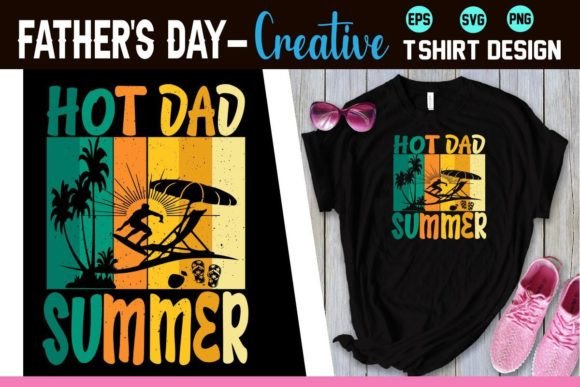
Hot Dad Summer: Elevating Brand Identity with a Seasonal Design Trend
Capturing the energetic, confident spirit of the season, the "Hot Dad Summer" design trend offers graphic designers and brand strategists a potent visual shorthand for relatable, modern masculinity. This isn't just a playful slogan; it's a conceptual framework for creating visual communication that resonates with a specific demographic, blending humor, confidence, and seasonal appeal. Understanding how to leverage such a thematic asset is key to building authentic connections in contemporary branding and marketing.
Defining the Visual Language of a Trend
At its core, "Hot Dad Summer" functions as a powerful design asset. It’s more than typography on a t-shirt; it’s a complete visual identity package. The trend typically combines bold, accessible typography with a color palette that evokes warmth, leisure, and confidence—think sun-bleached tones, vibrant accents, and clean contrasts. For a graphic designer, dissecting this trend reveals a masterclass in visual hierarchy and audience targeting. The design must communicate its message instantly, whether viewed as a logo on merchandise, a hero image on a website, or a bold statement in a social media feed.
Practical Applications Across Creative Projects
The true value of a well-executed design like this lies in its versatility. Its application extends far beyond apparel, touching nearly every facet of modern creative projects and digital marketing.
- Branding and Identity Systems: The thematic elements can inform a full brand identity for a summer-focused business, from logo design to packaging and store signage.
- Marketing and Advertising: It serves as a compelling hook for Father’s Day campaigns, summer sales promotions, and targeted social media ads, driving engagement through relatable humor.
- Digital and Web Design: Use the aesthetic to create engaging website banners, blog graphics, or UI elements for apps catering to lifestyle, fashion, or family products.
- Packaging and Merchandise: The design translates perfectly to physical products like mugs, bags, decals, and apparel, offering a cohesive and marketable product line.
- Editorial and Social Media Content: Create standout Instagram graphics, YouTube thumbnails, or article featured images that immediately capture a viewer's attention in a crowded feed.
Integrating Thematic Assets into Your Design Workflow
When selecting and evaluating creative assets like a "Hot Dad Summer" SVG bundle, a designer should consider more than just aesthetic appeal. Key factors ensure the asset enhances, rather than hinders, your professional workflow and final output.
First, assess the technical quality and scalability. A professional-grade asset should be provided in multiple high-resolution formats (EPS, SVG, PNG) to ensure crisp results across print and digital mediums. The SVG file, in particular, is crucial for modern web design and for use with cutting machines, offering infinite scalability without loss of quality.
Second, evaluate its adaptability within a broader system. How well does the typography pair with your existing brand fonts? Does the color palette complement your established scheme? A versatile design asset should offer flexibility, allowing you to adjust colors and scale elements to maintain consistency with your overarching visual design language. This ensures the asset feels integrated, not pasted on.
Finally, consider its emotional resonance and audience alignment. Does the tone—confident, humorous, seasonal—match your brand voice and speak directly to your target customer's aspirations? Effective visual communication hinges on this alignment, transforming a simple graphic into a meaningful brand touchpoint.
Thoughtful selection of high-quality, adaptable creative assets is a cornerstone of efficient and impactful design work. By focusing on assets that offer both strong visual appeal and technical versatility, designers can streamline their workflow, ensure brand consistency, and deliver professional, engaging results that truly connect with their audience.